Deck Railing Installation in Dripping Springs, TX
For 40+ years, All Seasons has built custom custom railings for Dripping Springs homeowners. 5,000+ outdoor projects completed across Central Texas. Fixed pricing, full warranties, same crew start-to-finish.
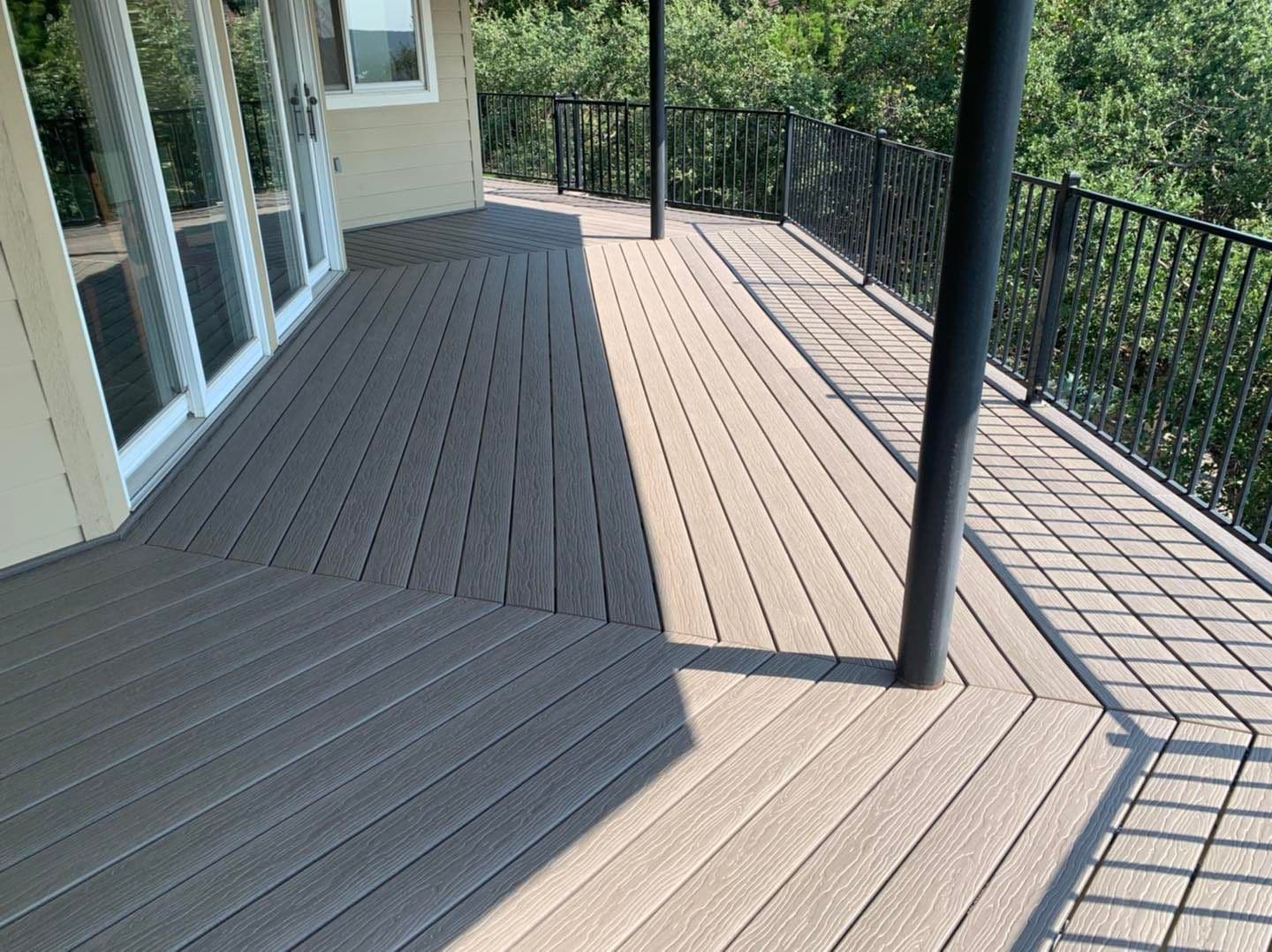
Dripping Springs decks usually face a long Hill Country view, so railings here are chosen to stay out of the way. Cable railing runs $60 to $100 per linear foot installed and cedar $20 to $35. Inside city limits, permits are issued by the City of Dripping Springs; on acreage outside town, we confirm what applies to your lot.
Railings That Keep the View
On an acreage lot facing open country, the railing sits directly in your line of sight from a chair. Cable and horizontal rod rails do the least to block it. A 60 foot cable system typically runs $5,000 to $8,000 installed. If the budget is tighter, a cedar frame with cable infill costs less than an all-metal post system and still keeps most of the view.
Every guard is at least 36 inches high where the deck is more than 30 inches above grade, and cable is tensioned so a 4 inch sphere cannot pass through.
Stairs off a Hill Country deck often land on uneven rock or slope. We set the bottom stair and its rail posts on a proper footing so the handrail stays tight and square instead of drifting as the ground shifts.
Lighting a Railing Under Dark Skies
Dripping Springs is known for its dark night skies and has outdoor lighting rules intended to protect them. If you want lights on your railing, we use low, downward, shielded fixtures, such as under-rail strips or post lights that point at the deck, not the sky. We check the current lighting ordinance for properties inside the city before specifying fixtures.
Cedar, Metal, and Hill Country Weather
Cedar suits the ranch and stone houses common around Dripping Springs, and it is the lowest cost option. It needs stain every 2 to 3 years to hold up to sun. Powder-coated aluminum at $40 to $70 per linear foot needs nothing but will get hot in afternoon sun if the color is dark.
Hilltop decks here catch storms and wind. Open railings let wind through; solid privacy panels catch it, so we size posts for any panel sections.
For budgeting, 60 feet of cedar railing at $20 to $35 per linear foot comes to $1,200 to $2,100 before stairs, while the same run in aluminum at $40 to $70 is $2,400 to $4,200.
Communities With HOAs
Caliterra, Belterra, and Headwaters have architectural review, while many acreage properties have only deed restrictions. We check which applies to your lot before designing.
On acreage with no HOA and no city permit, the only standard is the one your builder holds to. Ours is the IRC: a guard at least 36 inches high wherever the deck is more than 30 inches above grade, openings that stop a 4 inch sphere, and posts bolted through the frame. On sloped ground, the drop changes along the deck, so we measure every edge.
We Know Dripping Springs Backyards
Dripping Springs is Hill Country on limestone, with live oaks, larger lots and a lot of homes outside city limits on septic. Master-planned communities like Caliterra and Headwaters sit alongside acreage off Highway 290 and FM 12. Where your house sits decides who permits the project and where a deck can go. We build decks, covered patios, pergolas, gazebos and outdoor kitchens in the Dripping Springs area.
Permits, HOAs, soil and local building tips for Dripping Springs
"Dripping Springs is Hill Country, so you're working with slopes, rock and big live oaks. We plan around all of it. On a septic lot, the first thing we find is the tank and the drain field, because you don't put footings over them. The builds out here tend to be bigger because the properties are bigger."
- Mark Toomey
Why Custom Railings Matter Here
Building codes require railings on any deck surface more than 30 inches above grade - but beyond compliance, quality railings prevent accidents and add significant visual appeal. A well-designed railing system can make your deck feel like a true outdoor room while keeping children, pets, and guests safe.
Code Compliant
Every railing we install meets or exceeds local building codes for height, baluster spacing, and load requirements. We handle permits and inspections.
Multiple Material Options
Choose from wood, composite, aluminum, cable, glass, or metal railings. We help you find the perfect balance of aesthetics, maintenance, and budget.
View Preservation
Cable and glass railing systems maintain unobstructed views while providing safety. Perfect for hillside decks and pool areas.
Coordinated Design
We design railings that complement your existing deck, porch, or home architecture. Every detail matters.